Ottobock India and Celcius Logistics Build Dedicated Prosthetics Logistics Hub in Thane
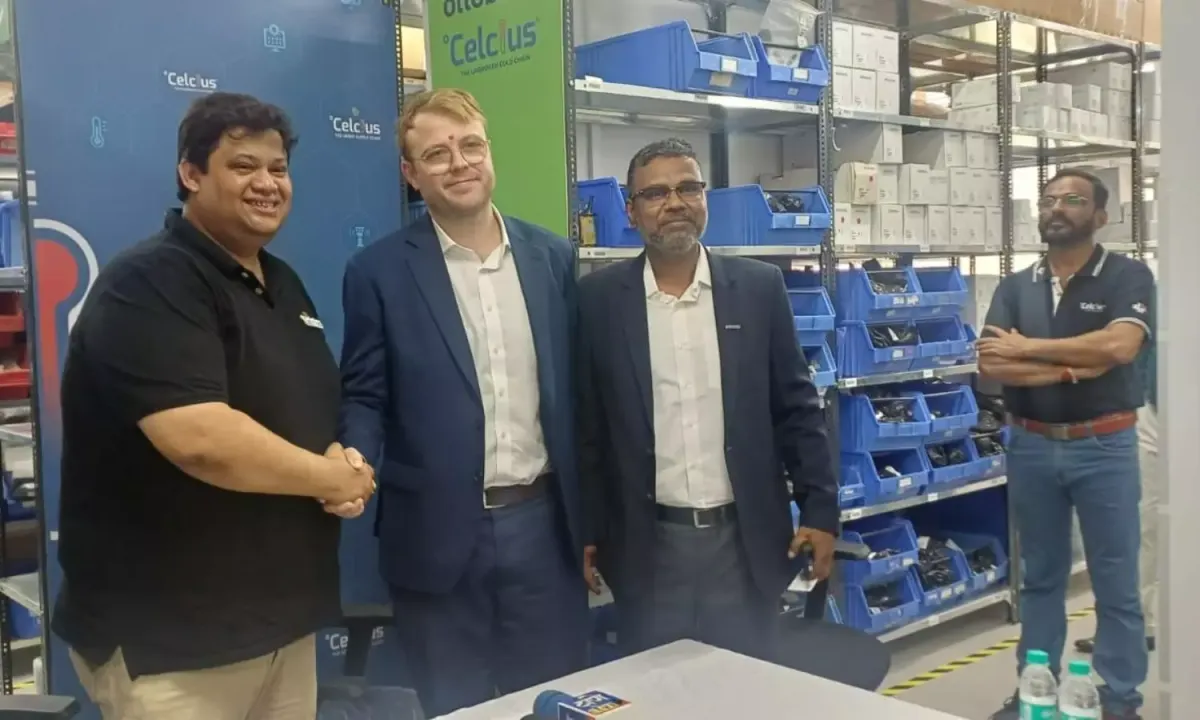
Ottobock India has partnered with Celcius Logistics to establish a dedicated prosthetics warehouse and distribution hub in Thane, Maharashtra, in a move that could strengthen the delivery of prosthetic and assistive devices across India. The facility is designed to support faster order fulfilment, improved inventory control and nationwide distribution to clinics, partners and institutional networks.
For India’s prosthetics and orthotics sector, the announcement is significant because it highlights a part of O&P care that is often less visible than clinical fitting or component innovation: the supply chain. A prosthetic limb is not only a clinical device; it is also a product that depends on reliable warehousing, correct storage, accurate picking, timely dispatch and consistent availability.
The new Thane facility covers approximately 3,000 sq. ft. and includes ambient storage, 110 slotted angle racks, more than 700 bin locations, and a temperature-controlled area for sensitive medical materials. The hub is expected to manage more than 2,000 SKUs and support distribution across 24 clinics and more than 200 independent partners, including government-linked associations.
Celcius Logistics will manage end-to-end warehouse operations and transportation for Ottobock India under a five-year contract. The operation will use Celcius’ in-house warehouse management and transport management systems to support inbound and outbound movement, inventory management and national distribution.
Why This Matters for Indian CPOs
For certified prosthetists and orthotists, the success of a prosthetic intervention does not end with assessment, casting, scanning, modification or alignment. It also depends on whether the right component, liner, knee, foot, adapter or consumable is available when the patient needs it.
Delays in the prosthetic supply chain can affect:
- Patient appointment scheduling
- Trial and delivery timelines
- Repairs and replacement services
- Clinic confidence in product availability
- Continuity of care for long-term prosthetic users
- Access for patients outside major metropolitan centres
A dedicated logistics hub for prosthetic and assistive devices suggests that major suppliers are beginning to treat O&P distribution as a specialised healthcare supply chain, not simply a general warehouse function.
A Shift Toward Healthcare-Grade O&P Logistics
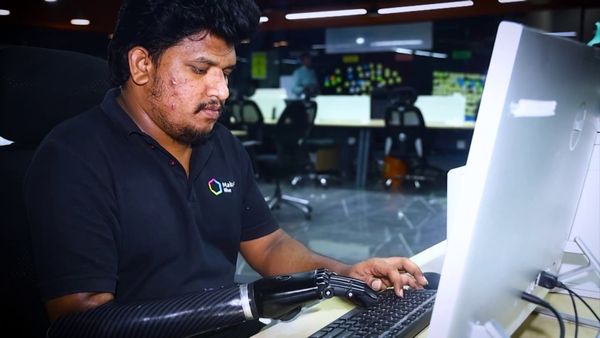
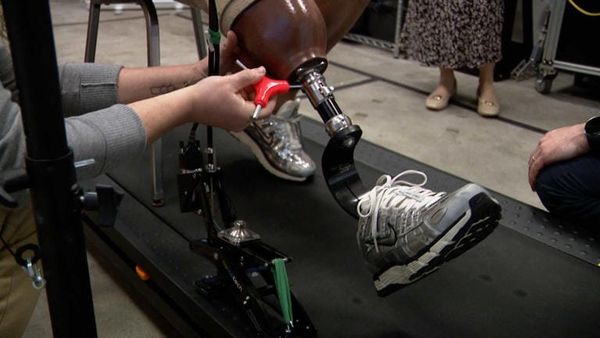
Prosthetic and orthotic products can include high-value mechanical components, sensitive materials, electronic systems, liners, adapters and consumables. Correct handling, storage and traceability are important for maintaining product integrity and supporting safe clinical delivery.
The inclusion of a temperature-controlled zone is particularly relevant for medical materials that may require more careful storage. In a country as geographically and climatically diverse as India, controlled logistics infrastructure can help ensure that products reach clinics in reliable condition.
For CPOs, this may translate into better availability, fewer supply delays and more predictable patient care pathways, especially when serving patients through networks that extend beyond large cities.
Supporting a Wider Indian O&P Network
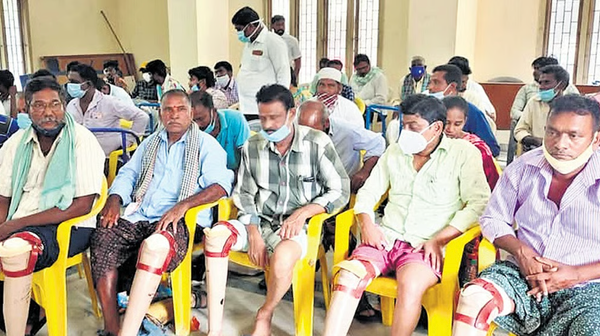
India’s O&P sector includes private clinics, hospital departments, rehabilitation centres, NGOs, government programmes, teaching institutions and independent practitioners. Distribution systems that can support both clinics and independent partners are therefore important for expanding access.
The reported plan to expand warehouse capacity by 25% within the next year also indicates that the partnership is being positioned for growth as demand for prosthetic and assistive technology services increases across the country.
Bharat CPO Perspective
For Bharat CPO, the main story is not only that a global prosthetics company has opened a dedicated warehouse with a logistics partner. The larger point is that India’s O&P infrastructure is maturing.
As clinical education, digital workflows, component choice and patient expectations continue to grow, the sector will also need stronger back-end systems. Warehousing, inventory visibility, distribution reliability and regional access will become increasingly important to the quality of prosthetic and orthotic care.
This development should encourage wider discussion among Indian CPOs about how supply chains affect clinical outcomes. Better logistics cannot replace skilled clinical care, but it can support it. When the right products reach the right clinic at the right time, clinicians are better positioned to deliver timely, consistent and patient-centred rehabilitation.