History of Narayan Seva Sansthan: From Seva to Rehabilitation at Scale
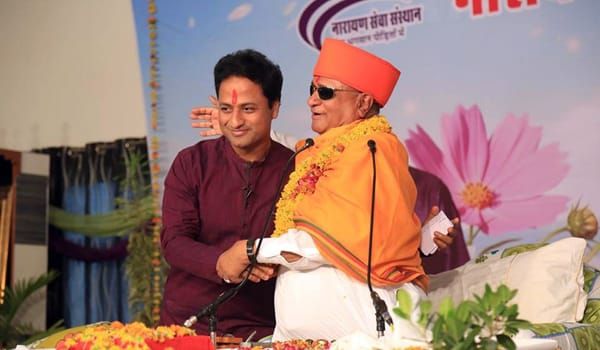
Narayan Seva Sansthan, based in Udaipur, Rajasthan, is one of India’s best-known charitable organisations working in disability care, corrective surgery, artificial limb support and rehabilitation. For Bharat CPO, its history is important because it shows how a service-led charitable movement grew into a large rehabilitation institution supporting people with disabilities across India and beyond.
The organisation was founded in 1985 by Kailash Chandra Agarwal, widely known as Kailash “Manav”. Its earliest work began with a simple idea often described as “Ek Mutthi Atta”, or “a fistful of flour”, providing meals to poor patients and attendants at a government hospital. From that modest beginning, Narayan Seva Sansthan gradually evolved into a wider mission for people with physical disabilities.
Origins in Udaipur
Narayan Seva Sansthan’s story is closely linked with Udaipur, where Kailash “Manav” began serving people who were physically and economically disadvantaged. What started as food support soon expanded into medical assistance and rehabilitation for people affected by polio, congenital disabilities, limb differences and mobility impairments.
The organisation’s official profile describes its mission as providing free corrective surgeries for patients with congenital disabilities and free artificial limbs for people with disabilities.
This evolution is significant. It reflects a shift from charity as immediate relief to charity as structured rehabilitation. Instead of only feeding or supporting patients temporarily, Narayan Seva Sansthan began working toward mobility, independence and social reintegration.
Corrective Surgery and Disability Rehabilitation
Narayan Seva Sansthan became especially recognised for its work with people affected by polio and other orthopaedic conditions. In earlier decades, many children and adults in India lived with untreated deformities or mobility limitations because they lacked access to surgery, rehabilitation and assistive devices.
The organisation developed a model that combined surgery, treatment, artificial limbs, rehabilitation support and social welfare services. This approach helped position Narayan Seva Sansthan as more than a local charity. It became part of India’s wider disability support ecosystem, especially for people from low-income backgrounds.
According to its own public materials, the Sansthan has treated large numbers of people with disabilities and continues to present itself as a major Indian NGO serving the “specially abled” community.
Artificial Limbs and Mobility Support
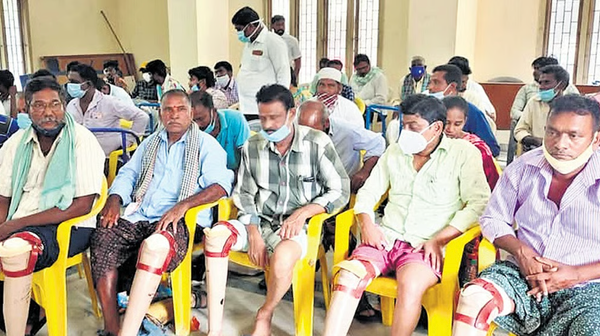
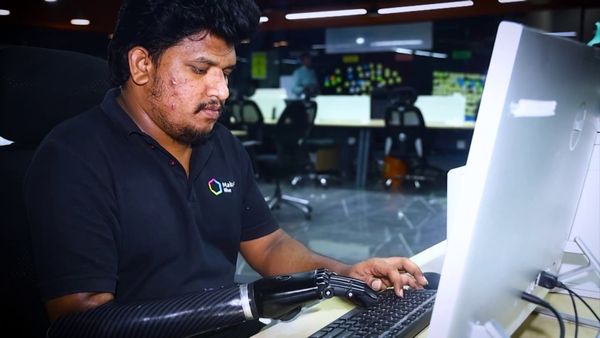
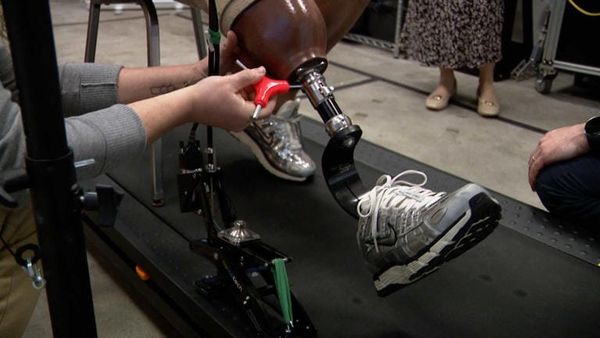
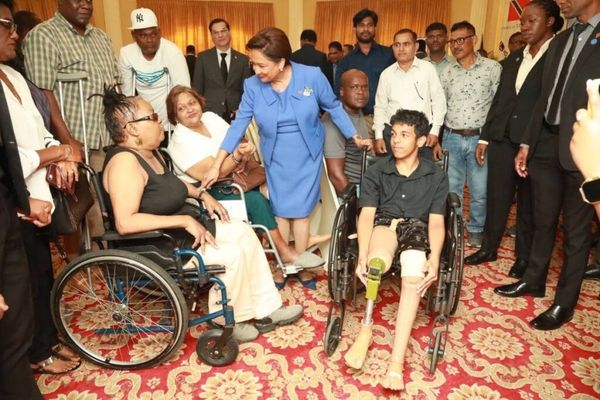
For the prosthetics and orthotics community, Narayan Seva Sansthan is particularly relevant because of its role in providing artificial limbs and mobility aids. Access to prosthetic and orthotic care remains uneven across India, especially for patients who cannot afford private services or who live far from specialist centres.
Narayan Seva Sansthan’s work has helped fill part of this gap by offering assistive support through charitable and outreach models. Its activities include free artificial limbs, corrective surgery, rehabilitation services and disability-focused programmes.
For Bharat CPO, this highlights a recurring theme in Indian O&P history: many patients receive mobility support through a combination of NGOs, camps, public schemes, religious charities, local donors, CPOs, technicians and community-based networks.
From Treatment to Social Reintegration
Over time, Narayan Seva Sansthan expanded beyond medical treatment into broader disability inclusion. Its work has included education, vocational training, skill development and efforts to help people with disabilities become more independent.
Public profiles of the organisation describe skill development activities such as sewing, mobile repair, computer hardware training and other livelihood-oriented programmes. This reflects an important rehabilitation principle: restoring mobility is only one part of recovery. People also need education, income opportunities, confidence and social participation.
For CPOs, this broader view matters. A prosthesis, orthosis or corrective intervention should not be seen as an endpoint. It should be part of a pathway toward participation in school, work, family life and community life.
Leadership and Expansion
Kailash “Manav” remains closely associated with the identity and founding values of Narayan Seva Sansthan. The organisation has also grown under later leadership, including Prashant Agarwal, who is publicly listed among its key leadership figures.
The Sansthan has developed branches and international support networks, including overseas entities and donor communities. These networks help fund surgeries, artificial limbs and rehabilitation services while connecting the Indian diaspora to disability support in India.
This international dimension is important because many Indian rehabilitation NGOs have grown through a combination of local service, diaspora fundraising, CSR support and global humanitarian partnerships.
Why Narayan Seva Sansthan Matters to Indian CPOs
Narayan Seva Sansthan’s history offers several lessons for India’s prosthetics and orthotics sector.
First, it shows the importance of access. Many people with limb loss, deformity or mobility impairment may never reach a specialist O&P clinic unless outreach systems exist.
Second, it shows the importance of affordability. Free or subsidised care remains essential for many patients across India.
Third, it shows the importance of rehabilitation beyond the device. Surgery, limbs, orthoses, physiotherapy, training and social reintegration must work together.
Fourth, it reminds the profession that NGOs are a major part of India’s rehabilitation landscape. CPOs, technicians, educators and professional bodies should engage constructively with charitable organisations to improve quality, follow-up and patient outcomes.
Bharat CPO Perspective
The history of Narayan Seva Sansthan is not only a story of one organisation. It is part of the wider story of Indian rehabilitation: community service, disability inclusion, low-cost care, donor support and the ongoing need to connect compassion with clinical quality.
From “a fistful of flour” in Udaipur to a national and international disability service network, Narayan Seva Sansthan has helped make rehabilitation visible to millions of people. Its journey shows how charitable intent can grow into institutional impact when it is sustained over decades.
For Bharat CPO, the next question is how India can build on this legacy. The future must bring stronger links between NGOs, qualified CPOs, rehabilitation hospitals, training institutions, government schemes and digital assistive technology. The goal should be simple but ambitious: every person who receives a surgery, prosthesis, orthosis or mobility aid should also receive safe fitting, proper training, follow-up and a pathway toward independent living.