Free Artificial Limbs Distributed to 90 People in Andhra Pradesh, Supporting Mobility and Dignity
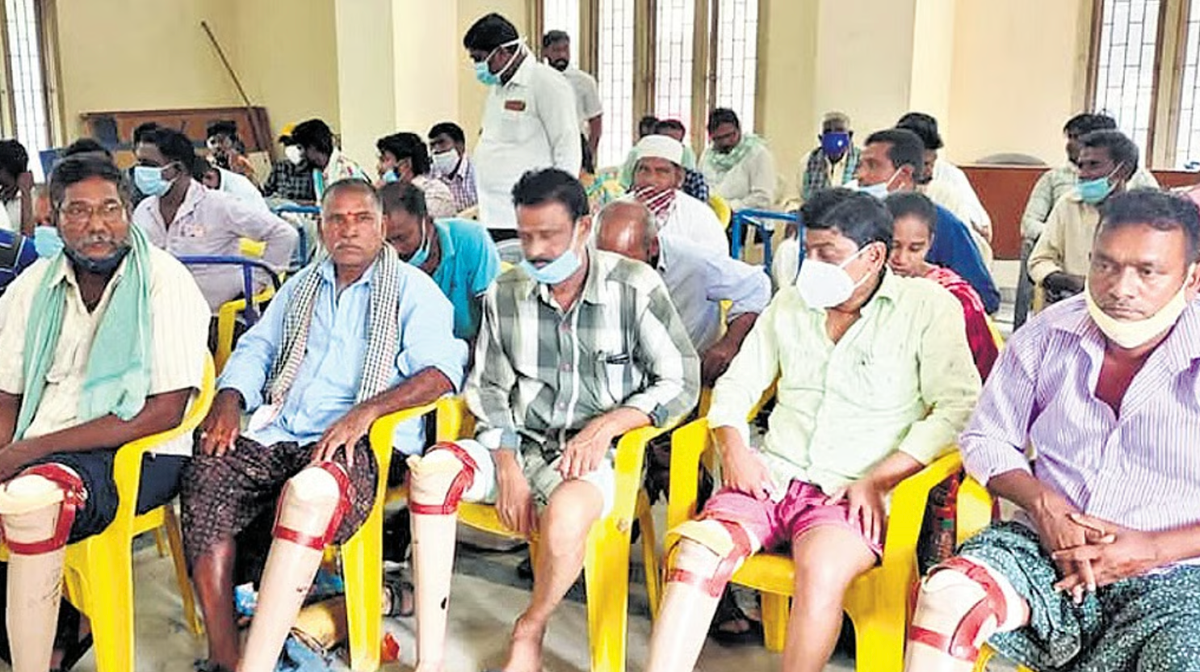
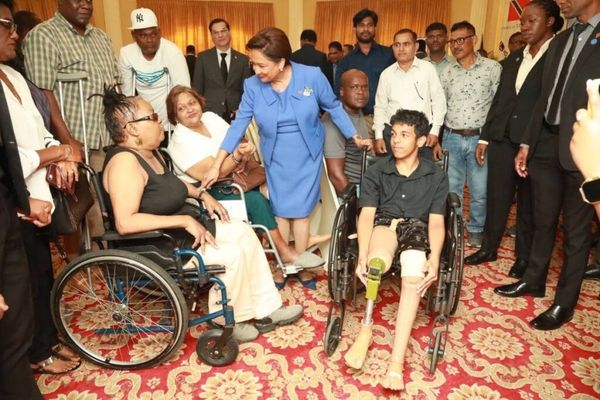
A free artificial limb distribution programme in Andhra Pradesh has provided prosthetic legs to 90 people, offering renewed mobility and support to individuals living with limb loss.
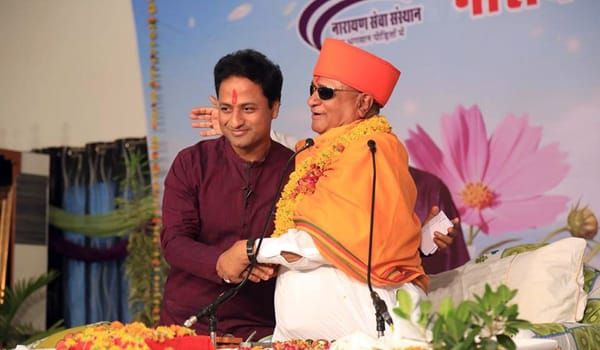
According to The Hans India, the programme was organised with the support of NRI donors, with artificial legs worth nearly Rs 5 lakh distributed to beneficiaries. Foundation organiser Chigurupati Vimala said the initiative aimed to help people regain movement, confidence and independence.
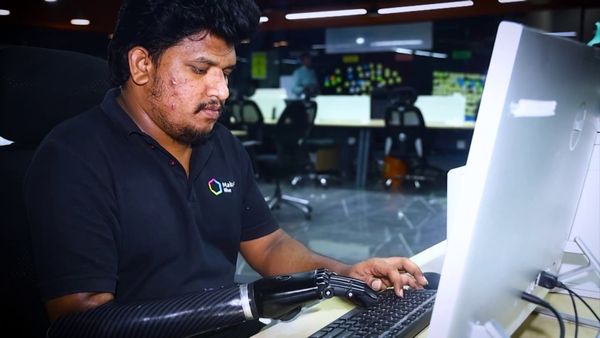
For Bharat CPO, the story highlights the continuing importance of community-led and donor-supported prosthetic access in India. While advanced prosthetic technology is developing rapidly, many people with limb loss still depend on charitable programmes, local foundations, social workers and public outreach events to access basic mobility support.
Why Free Limb Distribution Matters
For many amputees, the cost of a prosthetic limb remains a major barrier. Even a basic prosthesis can be unaffordable for families facing low income, travel costs, medical expenses or loss of work after amputation.
Free distribution programmes can therefore provide an important first step toward rehabilitation, especially for people who may otherwise remain without mobility support.
Access to an artificial limb can help a person:
- Stand and walk with greater independence
- Return to household and community activities
- Improve confidence in public spaces
- Reduce dependence on family members
- Explore work, education or social participation
- Rebuild dignity after limb loss
However, prosthetic distribution must be viewed as more than a one-day event. A limb must be properly assessed, fitted, aligned, trained and reviewed if it is to support safe long-term use.
The Role of CPOs in Donation-Based Programmes
Charitable distribution is valuable, but the involvement of qualified prosthetists, orthotists and rehabilitation teams is essential. A prosthesis that does not fit well can cause pain, skin breakdown, gait problems and abandonment.
For Indian CPOs, programmes like this underline the need for structured clinical pathways around every limb distribution event. Best practice should include:
- Individual assessment before prescription
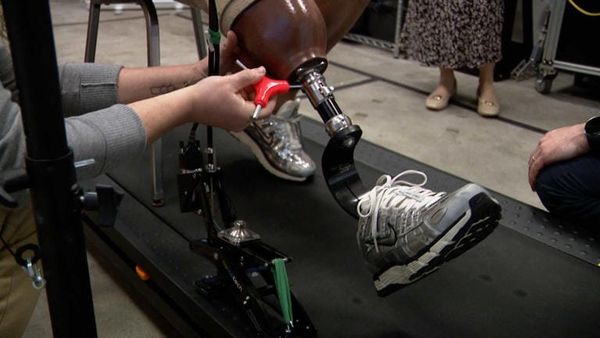
- Proper measurement and socket fitting
- Alignment checks
- Gait training and user education
- Skin inspection guidance
- Follow-up appointments for adjustment
- Repair and replacement planning
When these elements are included, free limb distribution can become meaningful rehabilitation rather than simple device handover.
Donor Support and Local Access
The involvement of NRI donors is also significant. Across India, diaspora support continues to play an important role in funding medical camps, mobility aids, school support, hospital equipment and rehabilitation initiatives.
For prosthetics and orthotics, donor support can help bridge access gaps, particularly in districts where specialist O&P services are limited or where beneficiaries cannot afford private care.
The next challenge is to connect donor generosity with professional systems. Funding can provide the device, but trained clinicians and technicians help ensure that the device improves the person’s life safely and effectively.
Bharat CPO Perspective
The distribution of artificial limbs to 90 people in Andhra Pradesh is a positive example of community action in prosthetic rehabilitation. It shows how local leadership and donor networks can directly support people living with limb loss.
For Bharat CPO, the wider message is clear: India needs both compassion and clinical quality. Free prosthetic limb programmes can transform lives, but their impact is strongest when they include CPO-led assessment, fitting, gait training and follow-up.
As India’s O&P sector grows, the goal should be to ensure that every donated prosthesis becomes part of a complete rehabilitation pathway — one that restores not only mobility, but also confidence, participation and dignity.