Jaipur Foot Centre in Trinidad & Tobago Highlights India’s Global Role in Affordable Prosthetic Rehabilitation
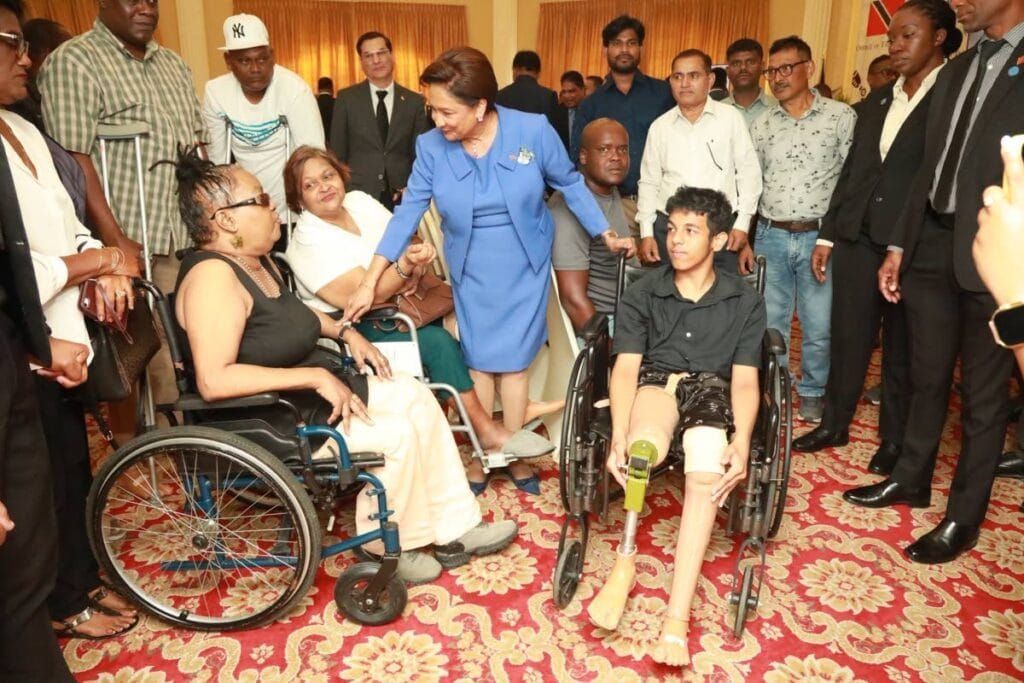
India’s Jaipur Foot movement is set to gain another international milestone with the inauguration of a permanent prosthetic limb centre in Port of Spain, Trinidad & Tobago. The centre is being established by Jaipur Foot USA in partnership with Bhagwan Mahaveer Viklang Sahayata Samiti (BMVSS) and the Government of Trinidad & Tobago, with India’s External Affairs Minister Dr S. Jaishankar expected to inaugurate the facility.
For Bharat CPO, the story is significant because it reflects how an Indian rehabilitation innovation that began in Jaipur has evolved into a global model for low-cost, high-impact prosthetic care. The Jaipur Foot is not only a device. It is part of a wider system of outreach camps, charitable fitment, technical training, local partnerships and international diplomacy.
From Jaipur to the Caribbean
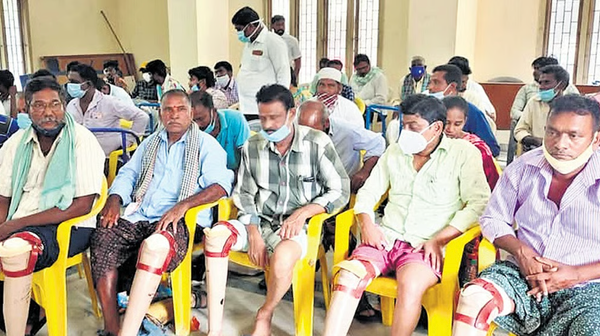
The new permanent centre follows a successful Jaipur Foot camp in Trinidad & Tobago, where more than 800 people reportedly received prosthetic limbs free of charge during a 50-day programme. That earlier camp helped demonstrate the scale of local need and created the foundation for a more permanent service model.
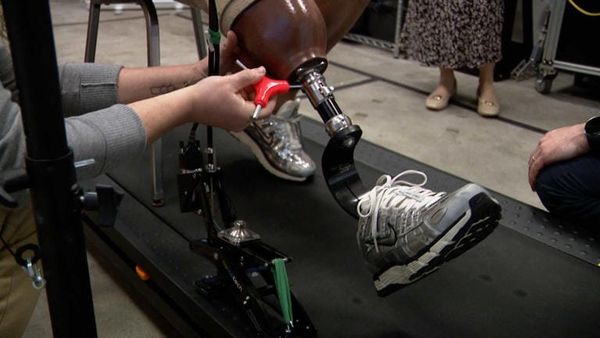
The Trinidad & Tobago centre is expected to provide locally made prosthetic limbs and support people with amputations and mobility impairment in the Caribbean nation. The project also includes training for local personnel from the country’s Ministry of Health, helping transfer practical prosthetic fabrication and fitting skills rather than relying only on short-term visiting teams.
This training element is especially important for CPOs. Sustainable prosthetic access depends not only on donated devices, but also on local capacity, follow-up, repair, adjustment and clinical continuity.
The Jaipur Foot Model
The Jaipur Foot was developed in India in 1968 and became one of the most widely recognised low-cost prosthetic solutions for lower-limb amputees in resource-limited settings. It is known for its affordability, durability and suitability for environments where users may need to walk barefoot, sit cross-legged, squat or move across uneven ground.
BMVSS, based in Jaipur, has played the central role in taking the Jaipur Foot model across India and internationally. According to the report, BMVSS has rehabilitated more than 2.5 million people across 50 countries through its centres and international camps.
For India’s O&P profession, this history matters. Jaipur Foot represents a distinctly Indian contribution to global assistive technology: practical, cost-sensitive, patient-centred and designed around real-life mobility needs.
Why This Matters for Indian CPOs
The Trinidad & Tobago project should be viewed as more than a charitable inauguration. It raises important questions for India’s prosthetics and orthotics sector:
- How can Indian O&P expertise support rehabilitation access internationally?
- How can low-cost prosthetic systems be combined with stronger clinical follow-up?
- How can local technicians and clinicians be trained to sustain services after camps end?
- How can Indian innovations serve low- and middle-income settings without compromising quality?
- How can diaspora networks help expand rehabilitation partnerships?
For Indian CPOs, the Jaipur Foot story is a reminder that prosthetic care is not only about imported technology or advanced components. It is also about appropriate design, affordability, cultural fit, local manufacturing and the ability to reach patients who may otherwise have no access to prosthetic rehabilitation.
Diaspora, Diplomacy and Rehabilitation
The Trinidad & Tobago project also highlights the role of the Indian diaspora in global health and rehabilitation. Jaipur Foot USA, diaspora organisations and Indian diplomatic leadership have all contributed to moving the initiative from a temporary camp toward a permanent centre.
This is an important model for Bharat CPO to watch. India’s rehabilitation knowledge is increasingly relevant beyond India’s borders, particularly across countries with historic Indian communities, shared development priorities and demand for affordable assistive technology.
When diaspora leadership, government support, charitable organisations and local health ministries work together, prosthetic rehabilitation can become part of a broader public health and humanitarian agenda.
Bharat CPO Perspective
The opening of a Jaipur Foot centre in Trinidad & Tobago reinforces India’s long-standing role in affordable prosthetic innovation. It also demonstrates how Indian rehabilitation models can travel globally when they are supported by training, local partnerships and long-term service planning.
For Bharat CPO, the key message is clear: India’s O&P sector has global value. The Jaipur Foot model shows that appropriate prosthetic technology, when combined with skilled fabrication, patient-centred fitting and strong outreach systems, can transform lives far beyond national borders.
The next challenge is to ensure that this legacy continues to evolve. Indian CPOs, educators, manufacturers and NGOs should use this moment to strengthen quality standards, clinical training, follow-up systems and international collaboration.
Jaipur Foot began as an Indian solution to a practical rehabilitation problem. Today, it continues to serve as one of India’s most recognisable contributions to global mobility, dignity and disability inclusion.